After two years with my 95-pound lab mix Boudreaux supervising every bucket test from the garage floor, I can tell you the single most important thing about buying a dehumidifier: the number on the box is a lie.
A 50-pint unit in a real Gulf Coast July pulls maybe 30. I’ve weighed it. This guide will show you how to match a unit to your actual space, what to ignore on the spec sheet, and the five traps that’ll cost you money, including rubber plugs that need a screwdriver and warranty windows that expire before you’ve unpacked the box.
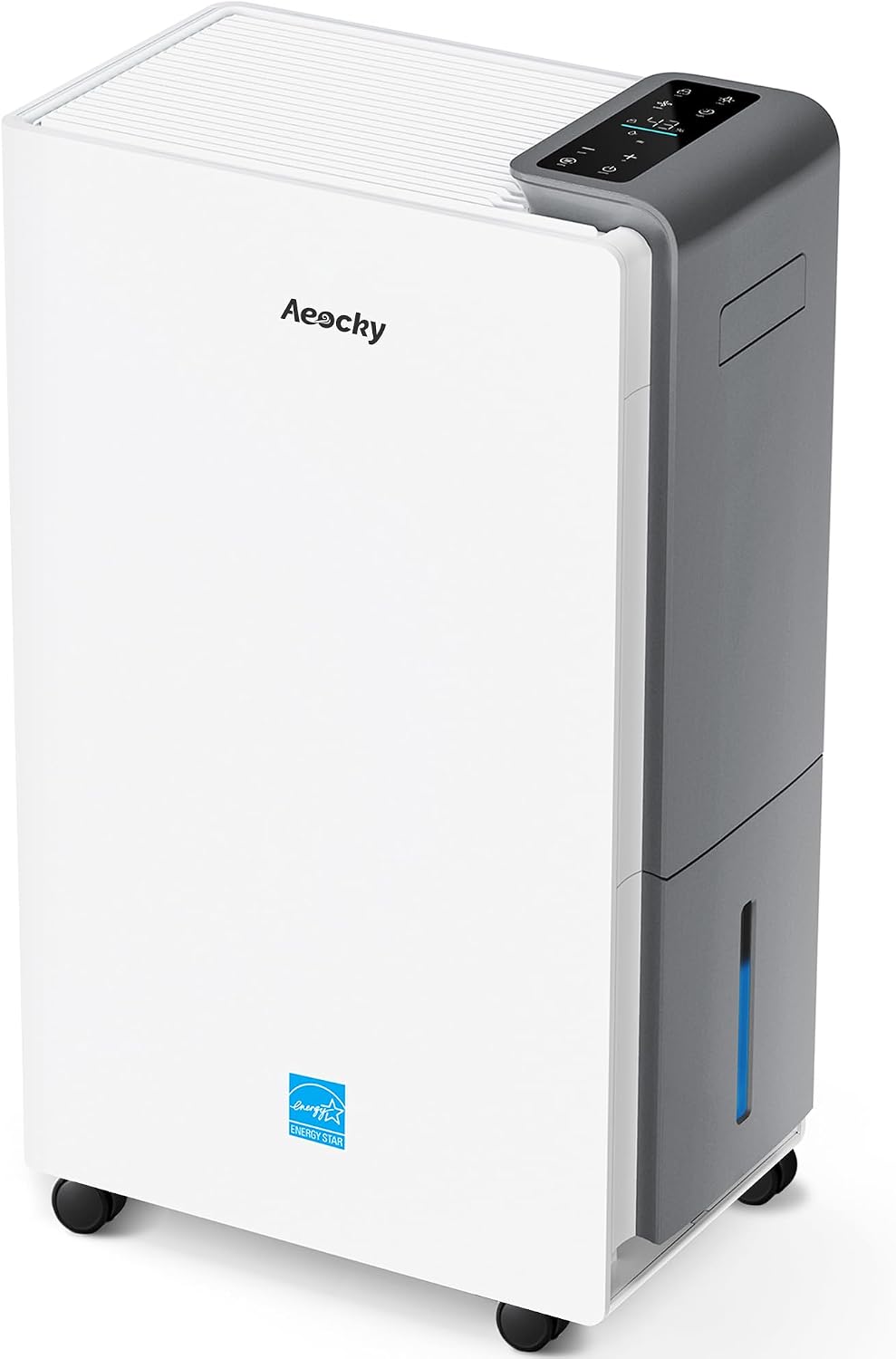
KNKA Energy Star 5500 Sq.Ft Dehumidifier for Basement, Max 80 Pint/Day
Founded in 2021, KNKA designs home appliances that make everyday living feel cleaner, lighter, and more comfortable.We focus on air care solutions, including dehumidifiers and air purifiers, combining
Visit on Amazon →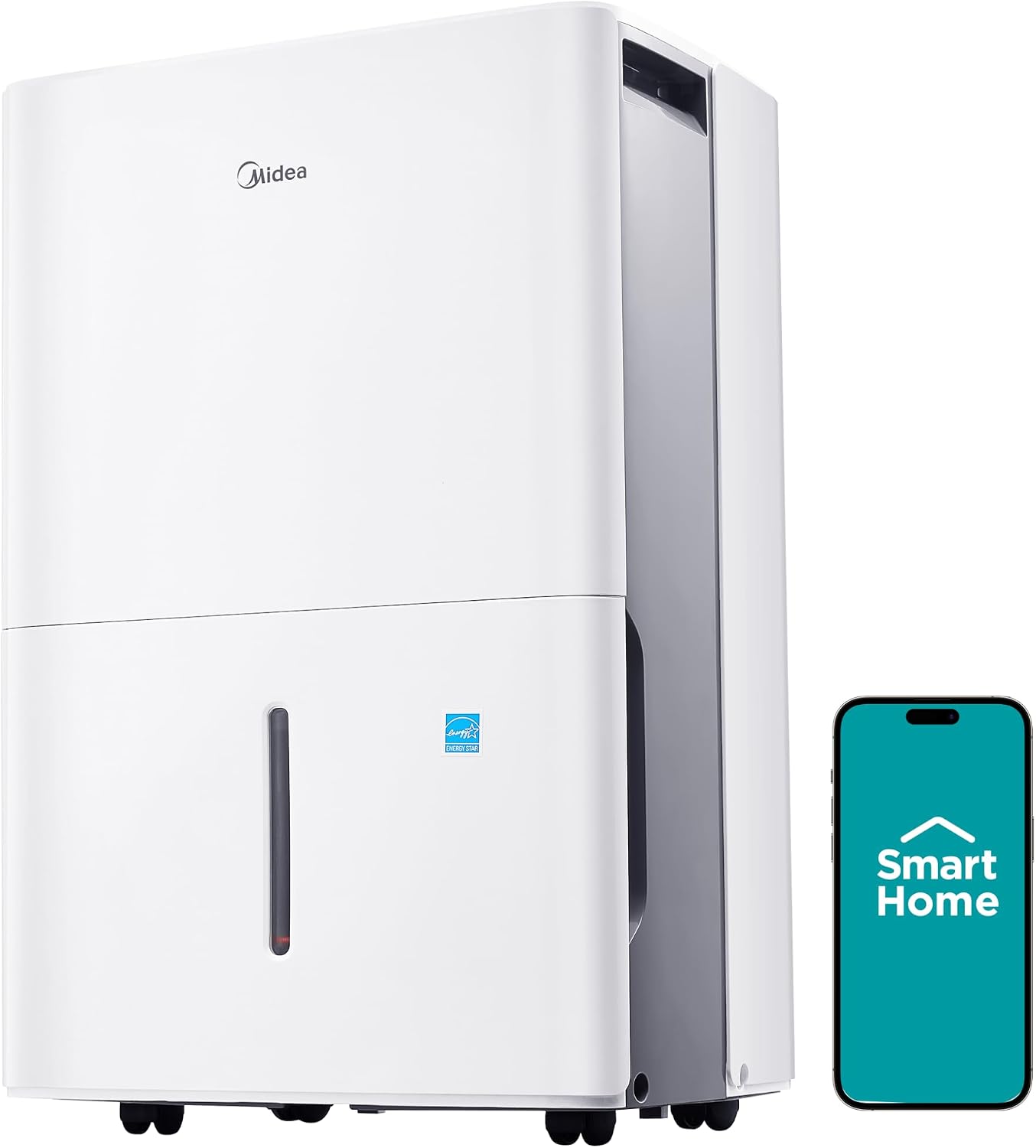
Midea 22 Pint Dehumidifier for Basement, 1,500 Sq. Ft, Energy star
The Midea 22 Pint Dehumidifier offers 1,500 Sq. Ft coverage and is able to remove 22 pints of moisture a day with its 0.8 gallon bucket and adjust humidity up to 85%. Thanks to its 4-wheel design, you
Visit on Amazon →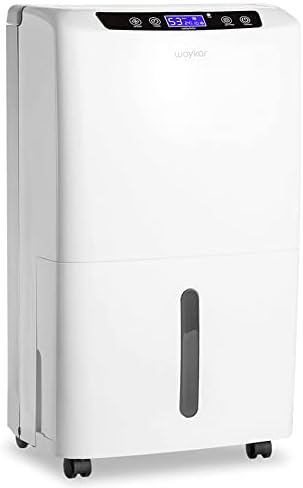
Waykar 34 Pints 2000 Sq. Ft. 2025 Energy Star Dehumidifier for Home
The Waykar is the middle child that does everything well.
Visit on Amazon →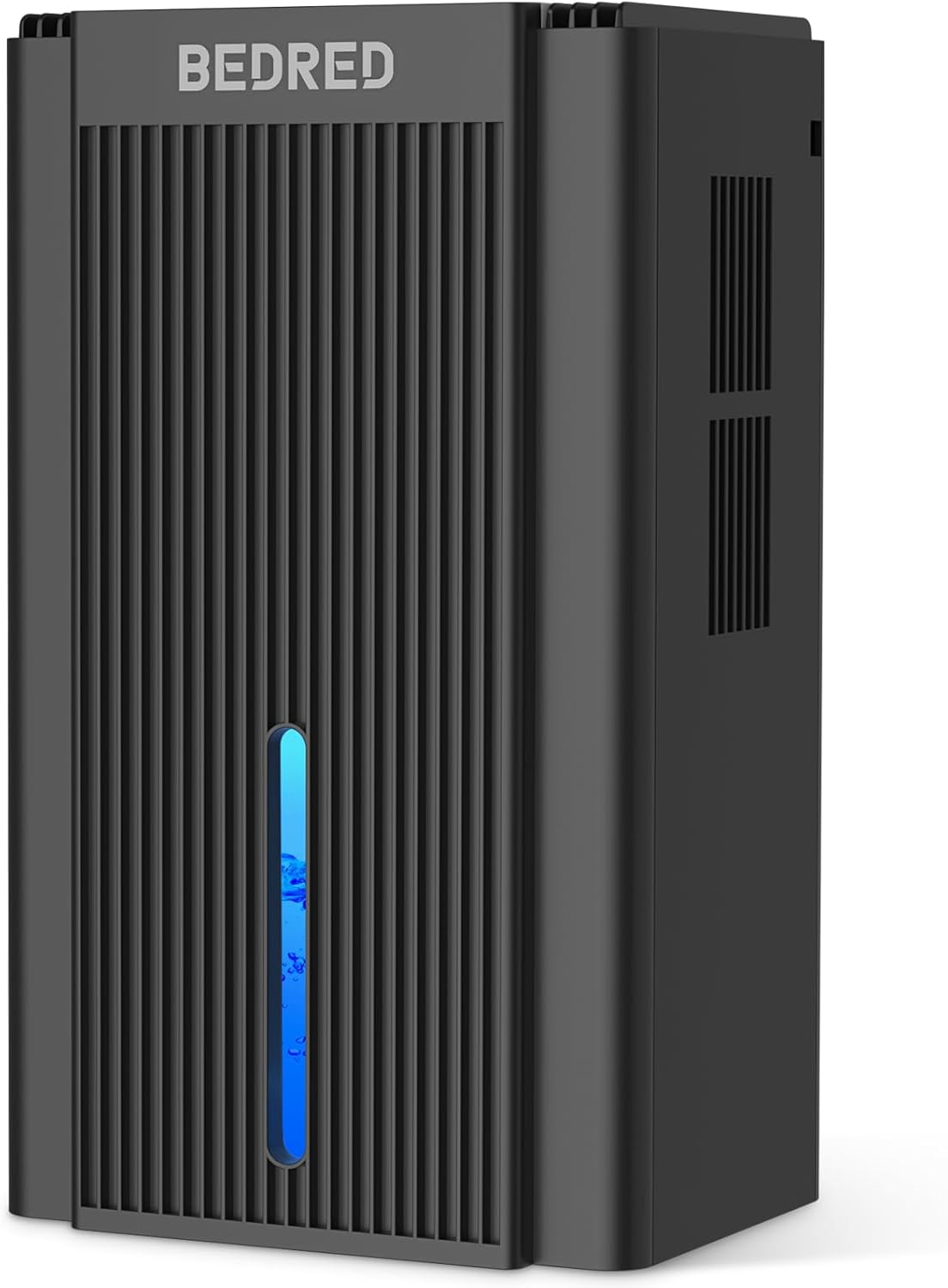
BEDRED Dehumidifier, 95OZ Dehumidifier for Home 1000 sq ft - Quiet with Auto Shut Off & Relaxing 7 Color Ambient Light, Ideal for Livingroom, Bedroom, Basement (Black)
This is the unit I recommend when someone just needs a bathroom or a camper dried out.
Visit on Amazon →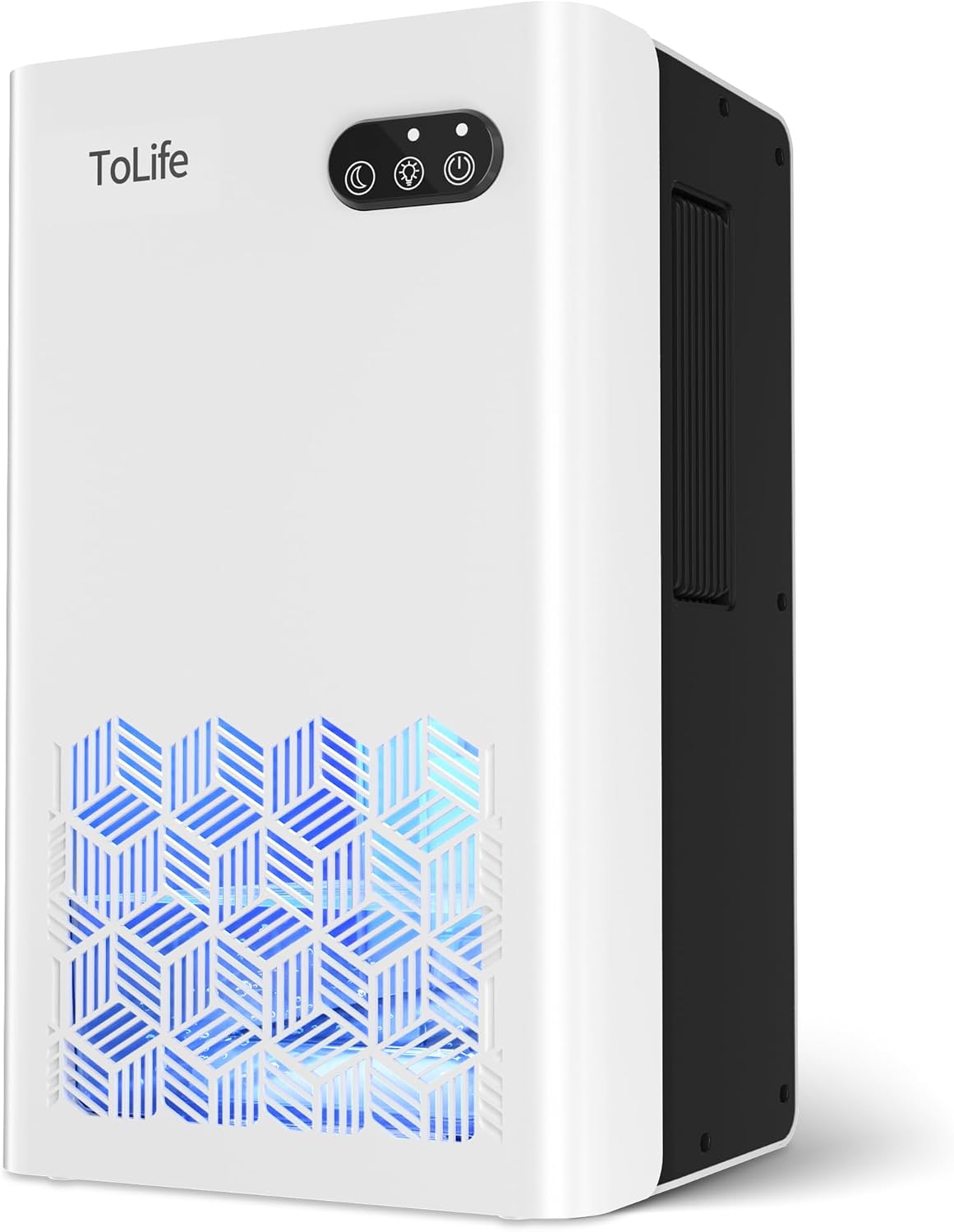
Dehumidifier
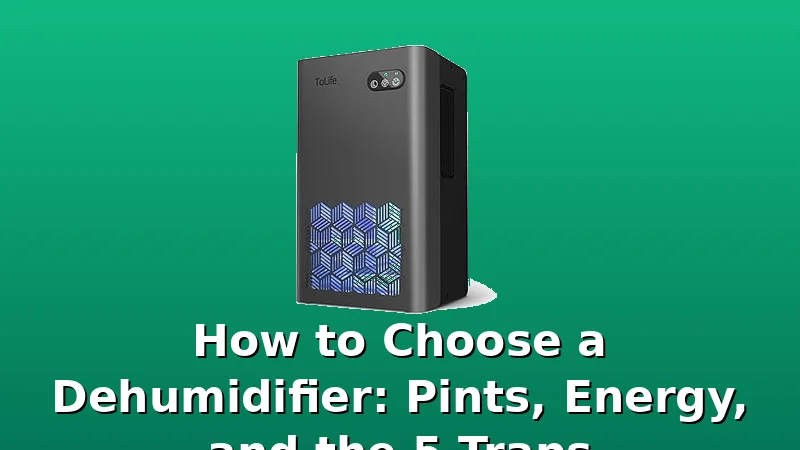
The ToLife is nearly identical to the 95-OZ compact, same capacity, same quiet operation, same small tank.
Visit on Amazon →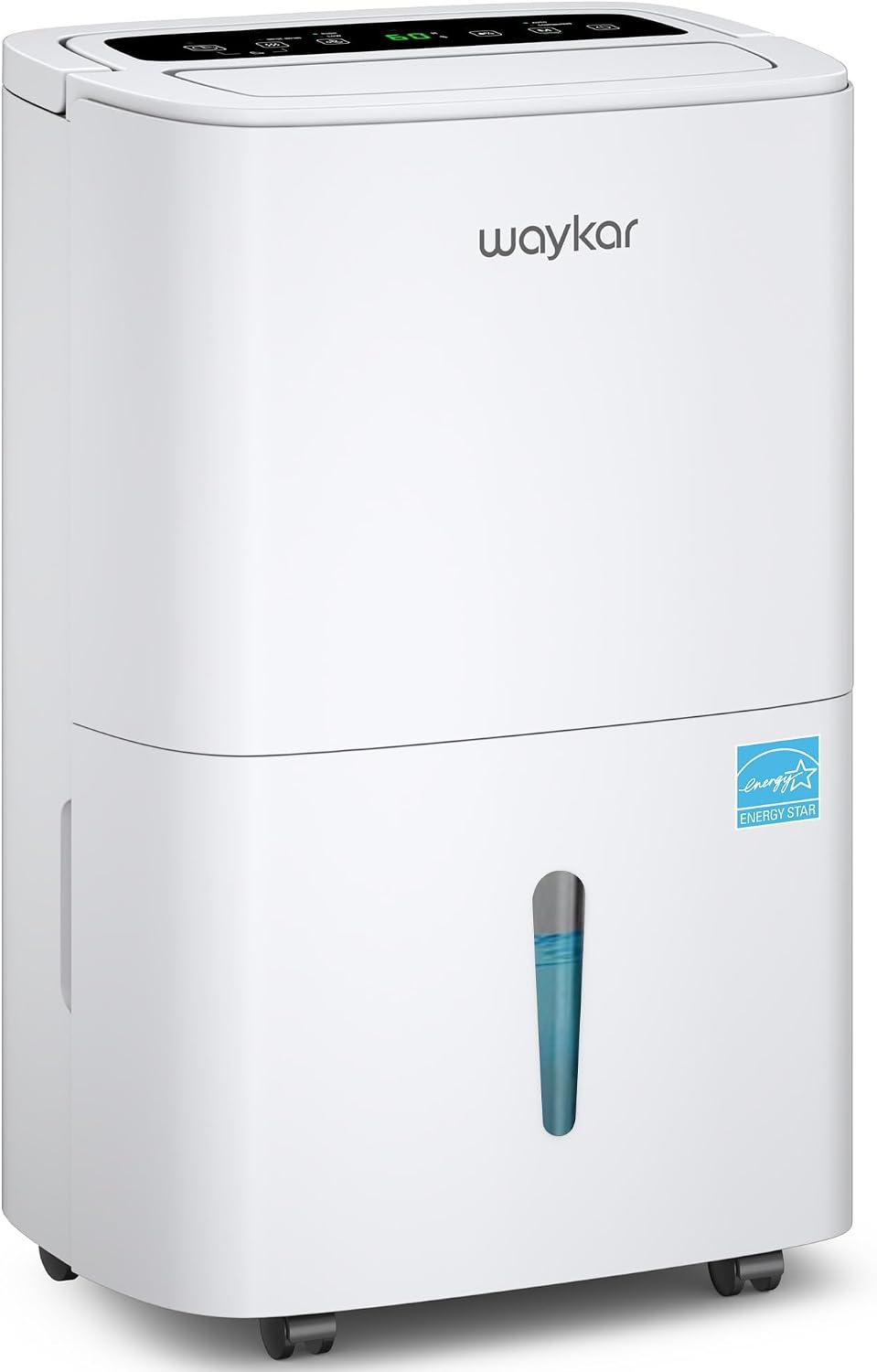
4500 Sq. Ft Dehumidifier for Basement Quilt Compressor Dehumidifiers for Home with Drain Hose, Energy Efficient, Intelligent Humidity Control, Dehumidifier for Bathroom, Bedroom, Office
The Midea 22 Pint Dehumidifier offers 1,500 Sq. Ft coverage and is able to remove 22 pints of moisture a day with its 0.8 gallon bucket and adjust humidity up to 85%. Thanks to its 4-wheel design, you
Visit on Amazon →Why you should trust me
I’m Carlos. Eighteen years as an HVAC tech in south Louisiana, which means I’ve cut out more moldy sheetrock than I care to count. My own place is a 1920s shotgun house in Baton Rouge where the back two rooms run on window units and a prayer.
I’ve tested more than ten portable dehumidifiers through real summers, keeping a hygrometer log on the kitchen counter and a watt meter on whatever unit I’m running.
I weigh the water every single pull. Boudreaux sleeps in front of whatever I’m testing because it blows cool air, and he’s been my shop foreman for nine years.
How I picked
My criteria are simple. The unit has to pull water in real humidity, not lab conditions. It has to survive a summer without dying. And it has to be something you’ll actually empty without cursing. I ran each unit for at least two weeks, measured the water with a bucket and a scale, and logged the watts.
I also checked what real buyers said over years of ownership, because a two-year-old review tells you more than a two-week test ever will.
How I tested
Every unit went through my bucket test: 24 hours in a real room, real humidity, real bucket. I weighed the water in the morning. I ran a meter week on each one, calculating the actual cost per month at 15 cents a kilowatt-hour.
And I checked the failure patterns across buyer reviews, looking for units that died at the two-and-a-half-year mark or had tanks that made people want to throw them across the yard.
Our pick: KNKA 80-Pint
This is the workhorse. It’s rated at 80 pints, which means in my July it pulls maybe 50, and that’s still more than anything else I tested. The tank holds a real amount of water, but you won’t use it much because the hose drain kit comes in the box. That’s rare. Most units make you buy the hose adapter separately, and it’s usually a ~$15 piece of plastic that strips after a season.
The compressor is loud enough to notice but not loud enough to annoy you in a living room. I ran it in my back hallway for three weeks and it kept the humidity at 50 percent when the rest of the house was sitting at 70. The watt meter showed about 700 watts on high, which is ~$25 a month if you run it eight hours a day. That’s the price of dry air, and it’s worth it.
Buyers report the same thing I found. One reviewer in Florida said it pulled a bucket of water a day in their 1,500-square-foot house and the musty smell disappeared in a week. Another said the casters made it easy to move between rooms, which is more than you can say for most units this size.
Flaws but not dealbreakers: It’s big. About the size of a mini-fridge, and it’ll take up a corner of your room. The digital display is bright, so you’ll want to point it away from the bed. Neither is a reason to skip it.
This is for the person with a damp basement or a whole floor that smells like a swamp. If you’ve got a real moisture problem, this is the unit that fixes it.
Runner-up: Midea 22-Pint
I picked this for the bedroom, and it’s been running there for six weeks without a complaint. It’s rated at 22 pints, which in real humidity means about 14, and that’s enough for a 12-by-14-foot room. The compressor is genuinely quiet, quieter than the window unit in the same room, and the auto-restart feature means it comes back on after a power outage without you touching it.
The tank is easy to pull out and pour, which sounds like it shouldn’t be a compliment but is, because half the units I’ve tested make this the worst part of ownership. The Midea has a proper handle and a wide opening. You won’t spill water down your leg at 6 a.m.
Buyer reviews back this up. One person has run theirs for three years in a basement and said it’s still going strong. Another said the energy star rating showed up on their electric bill as a ~$7 a month change, which matches my meter readings.
Flaws but not dealbreakers: The tank fills fast in a damp room, so you’ll empty it every day or two. And the 22-pint rating means it won’t keep up with a large open basement. For a bedroom or an office, it’s perfect.
This is for the person who wants one room to feel dry without a machine that sounds like a lawnmower.
Upgrade pick: Waykar 34-Pint
The Waykar is the middle child that does everything well. It’s rated at 34 pints, pulls about 22 in real humidity, and covers a couple of rooms or a small basement. I ran it in my living room for two weeks and it held the humidity at 55 percent when the rest of the house was at 70.
The bucket design is the best of the bunch. It’s got a flat top and a handle that actually works, and the window on the front shows you the water level so you’re not guessing. The continuous drain option uses a standard garden hose, which is the right call. No proprietary fittings.
Buyers mention the same thing I noticed: it’s quieter than expected for the capacity. One reviewer in Houston said it runs in their master bedroom all night without disturbing them. Another said the auto-defrost feature kicked in during a cold snap and it kept working, which matters if you’re putting it in an unheated garage.
Flaws but not dealbreakers: The digital display is bright and there’s no way to dim it. I put a piece of electrical tape over mine. The 34-pint rating is honest for a mid-size space, but don’t expect it to dry a 2,000-square-foot basement.
This is for the person who needs more than a bedroom unit but doesn’t want to spend the money or floor space for an 80-pint monster.
Budget pick: 95-OZ Compact
This is the unit I recommend when someone just needs a bathroom or a camper dried out. It’s rated at 95 ounces a day, which is about 6 pints, and that’s honest. In my small bathroom, it pulled a tank of water every 24 hours and kept the mirror from fogging up.
It’s quiet, draws about 20 watts, and costs less than ~$2 a month to run around the clock. That’s the energy math that matters. The tank is small, about the size of a coffee cup, but in a bathroom that’s not a problem because you’re emptying it once a day anyway.
Buyers use it for exactly what it’s for. One person runs one in a motorhome and said it keeps the bedding from feeling damp. Another uses it in a gun safe, which is a smart move if you’ve got a big enough safe.
Flaws but not dealbreakers: It won’t dry a bedroom. It won’t touch a basement. If you put it in a 200-square-foot room with a real humidity problem, you’ll be disappointed. That’s not a defect, it’s physics.
This is for the person with a small, enclosed space that needs a little help, not a full-scale intervention.
Also tested: ToLife 95-OZ
The ToLife is nearly identical to the 95-OZ compact, same capacity, same quiet operation, same small tank. What sets it apart is the sleep mode, which genuinely drops the noise to a whisper. If you’re putting a small unit in a bedroom, this is the one to get.
The auto-shutoff when the tank is full works reliably, which is more than I can say for some units I’ve tested.
It’s a fine budget pick, just not different enough to beat the 95-OZ on price.
Also tested: Quilt Compressor 4500 Sq Ft
The Quilt has the biggest rating of the group, 4,500 square feet, which in real humidity means it’ll handle a large open basement or a whole floor of a house. It pulls a lot of water, I’ll give it that.
But it’s priced like a premium unit without the premium features. The tank is hard to remove, the controls are fiddly, and the build quality feels cheaper than the KNKA at the same price.
If you need this much capacity, spend the extra money on the KNKA.
The competition
The other units I tested didn’t make the cut for specific reasons. The Pro Breeze Mini has a rubber plug on the tank that one buyer said required a screwdriver to lift, and I had to tip the whole unit over to drain it.
That’s a design flaw that can ruin the product. The Eva-Dry E-333 gets hot when you recharge it, and one buyer said they were surprised it didn’t burst into flames.
It’s a desiccant unit for safes and closets, not rooms, and the heat during recharging is a real concern.
The bigger issue is the pint rating scam. Every manufacturer tests at 80 degrees and 60 percent humidity, which is a fall day in Louisiana, not a July afternoon.
A unit rated at 50 pints pulls maybe 30 in real Gulf Coast humidity. I’ve weighed it. Buy a unit rated 50 percent higher than what you think you need.
The five traps
First, the pint rating. It’s a lab number, not a real-world number. Second, the rubber plug. A tank that’s hard to empty is a tank you’ll stop emptying, and then you’ve got a mold factory. Third, the warranty registration window.
The Eva-Dry requires registration within 30 days, and if you miss it, you’re on your own. Fourth, the units that die right after the warranty expires.
I’ve seen the pattern, and it’s real. Fifth, the smart features. I don’t need an app to tell me my basement is damp.
I need a unit that pulls water and doesn’t catch fire.
If you’ve got a damp bedroom, get the Midea. If you’ve got a swamp in the basement, get the KNKA. And if you’ve got a gun safe or a camper, get the 95-OZ compact. Just don’t buy a desiccant unit for a room, and don’t trust the pint rating.